


Plastic Molding Processing Methods
Plastic Molding Processing
Plastic molding is one of the most common manufacturing processes in today’s industry. This process uses pressure and heat to mold plastic into a die or mold to produce products with the desired shape and dimensions. In this article, we will explore various plastic molding methods.
Extrusion Molding
Extrusion molding is a process of manufacturing plastic by forcing plastic pellets or granules through a mold (die). The process begins with feeding plastic into a screw barrel, where it is melted and pushed through a shaping die to form the final product. This method is commonly used to produce long and continuous plastic products such as sheets, pipes, and coating materials.
Injection Molding
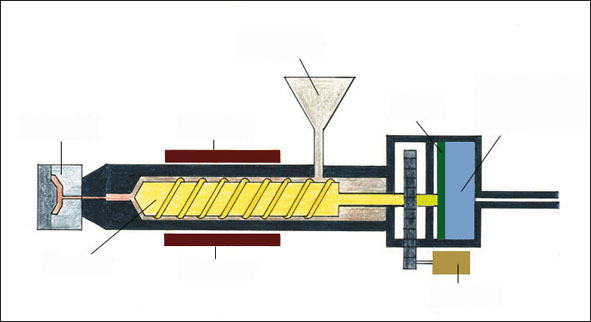
Injection molding is a process of producing plastic products by injecting molten plastic into a mold under high pressure. In this process, plastic is fed into a mold, and an injection unit forces the molten plastic into the cavity. After cooling and solidification, the molded product is removed from the mold.
This method is widely used to manufacture complex plastic products such as machinery components, mobile phone housings, electronic enclosures, push buttons, and protective gear.

Injection Blow Molding
Injection blow molding is a process used to manufacture plastic products by injecting molten plastic into a mold to form round or oval shapes. The process involves extruding a plastic tube (parison) into a mold, then using an injection unit to blow and shape the heated plastic against the mold walls. After cooling and solidification, the product is removed from the mold.
This method is commonly used to produce hollow plastic products such as water bottles, milk bottles, and pharmaceutical containers.

The Importance of Plastic Molding Processing Methods
Plastic molding processing methods play a crucial role in the plastics industry, enabling the production of plastic products with precise dimensions, shapes, quality, and required functionalities.
These methods also allow for large-scale production of plastic products while minimizing manufacturing costs compared to traditional production techniques. They provide the capability to create complex and diverse plastic products, ranging from small components to large items.
In addition, plastic molding methods make it possible to produce plastic products with special properties such as strength, rigidity, heat resistance, load-bearing capacity, and durability in harsh environments. They also enable the development of recyclable and environmentally friendly products.
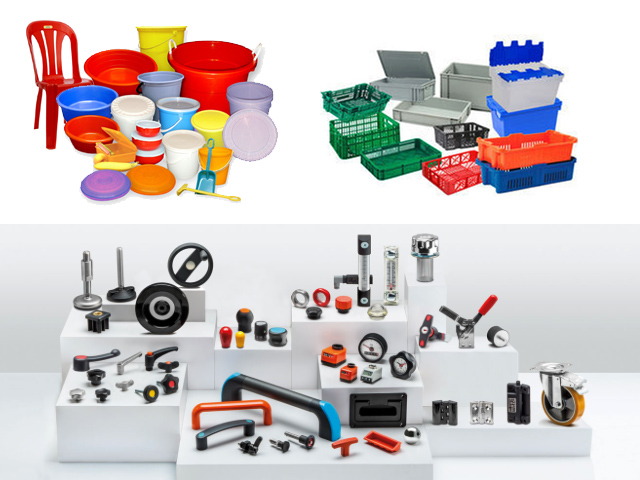
With these advantages, plastic molding processing methods have been widely applied across industries such as automotive, electronics, medical, household goods, packaging, electrical equipment, and many other industrial sectors.

