


workholding jig
In precision engineering, a jig (also referred to as a clamp, fixture, or jig) is a device used to hold and secure workpieces or components during machining or manufacturing processes.
Products made using jigs are commonly used in industries such as automotive manufacturing, electronics production, medical device manufacturing, and household appliance production, among others.

Products produced using jigs in industrial manufacturing are typically created through industrial processes that employ specialized machinery and equipment to shape and machine the components. The production process using jigs is usually closely controlled to ensure that the final products meet specific standards and application requirements.
There are many types of jigs used in precision engineering, each designed to meet particular manufacturing needs and production requirements.
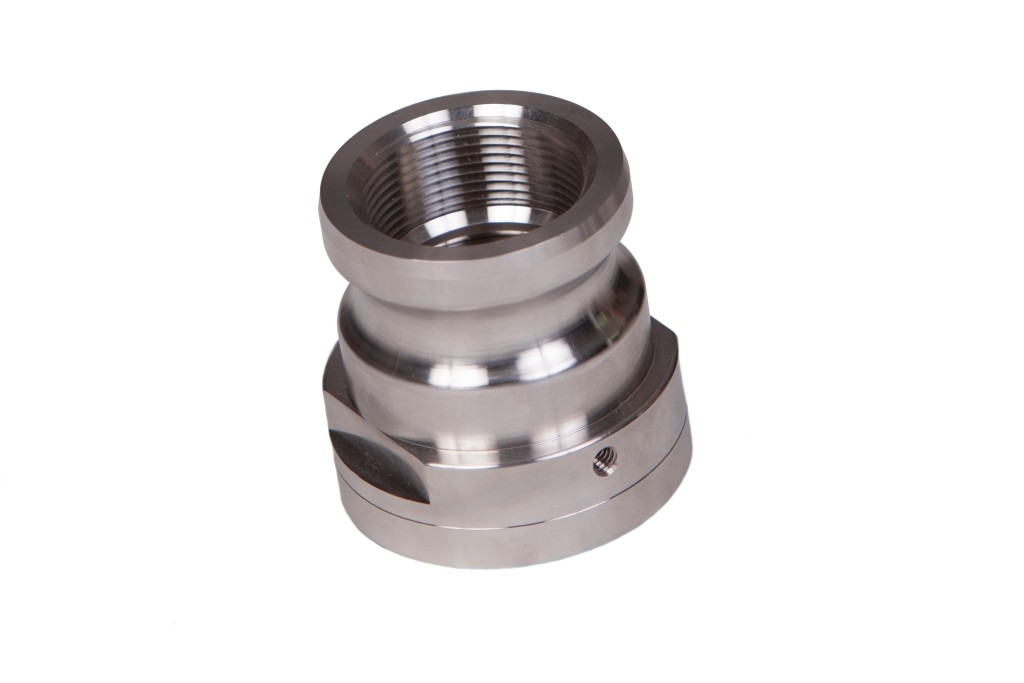
Some common types of jigs and fixtures:
-
Turning jig: Used to hold and machine parts on a lathe.
-
Milling jig: Used to hold and machine parts on a milling machine.
-
Grinding jig: Used to hold and machine parts on a grinding machine.
-
Planing jig: Used to hold and machine parts on a planing machine.
-
Welding jig: Used to hold components together while performing the welding process.
-
Positioning fixture: Used to accurately position parts on a machine tool.
-
Clamping fixture: Used to hold parts of different shapes or sizes on a machine tool.
-
Rotary fixture: Used to hold parts that need to be machined from multiple angles on a machine tool.

The role of jigs and fixtures in precision machining is extremely important. They help ensure accuracy and repeatability in the manufacturing process and contribute to increased productivity.
Key roles of jigs and fixtures in precision machining include:
-
Holding parts in precise positions to perform machining or assembly operations accurately.
-
Ensuring accuracy and repeatability during production, helping minimize errors and manufacturing defects.
-
Increasing productivity by reducing the time required for transitions between production steps and minimizing equipment setup time.
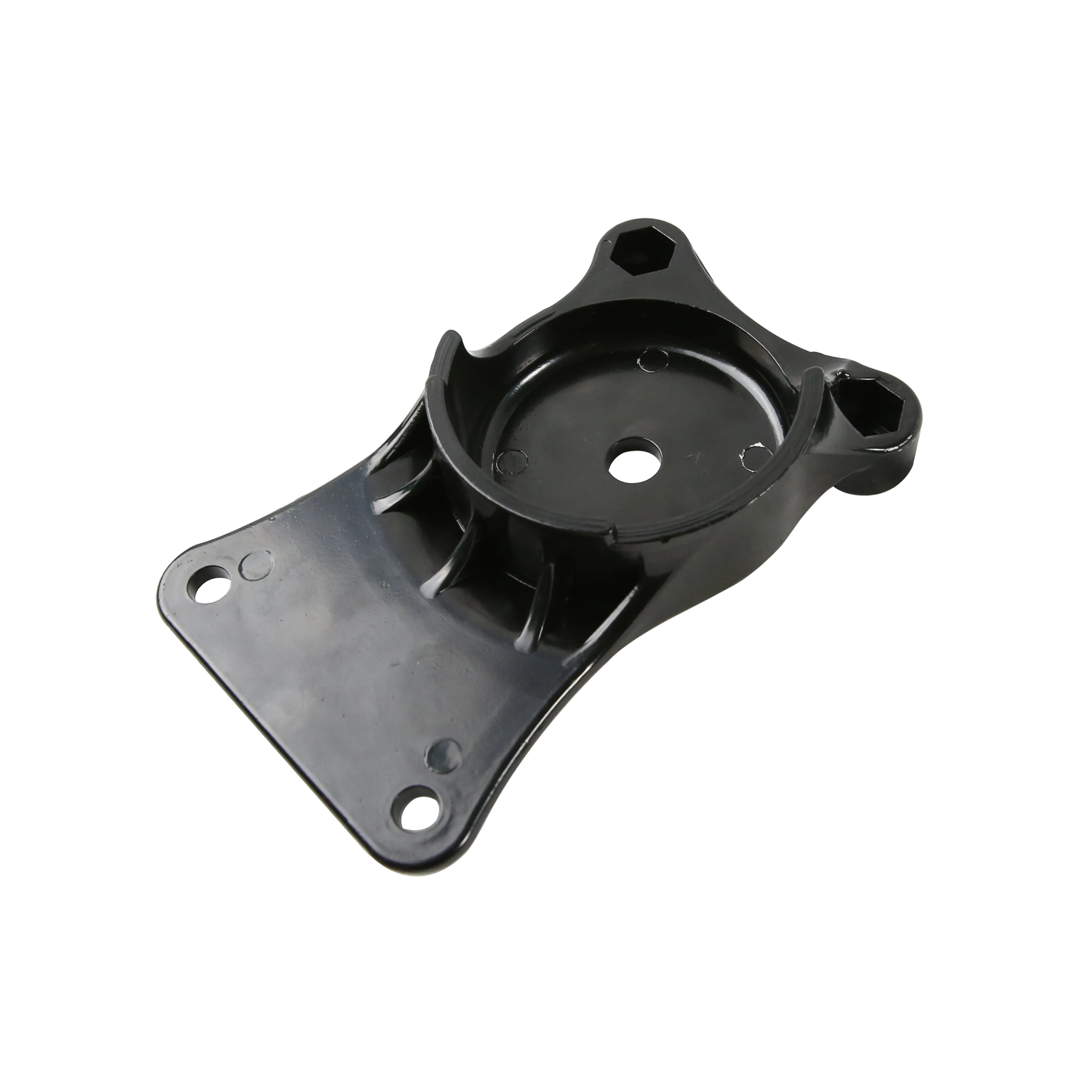
-
Improving product quality by ensuring that parts are manufactured to high standards and meet the technical requirements of customers.
-
Reducing production costs by minimizing manufacturing errors and machining time, while increasing the overall productivity of the production process.
-
Different types of jigs and fixtures have varying properties and applications in industry, depending on the specific requirements and standards of each application.

