


What is a Mold? Types of Molds in Mechanical Engineering
Types of Molds in Mechanical Engineering
Molds are indispensable tools in the mechanical engineering industry for manufacturing complex and diverse mechanical components. They are designed and fabricated to produce final products with high precision and excellent surface finish. In this article, we will explore the most common types of molds used in mechanical engineering.
Often referred to as the “foundation of modern industry,” molds are continuously evolving with increasing investment and advancements in technology. With the ability to produce large volumes of parts in short production cycles and maintain high stability, molds have become essential tools across many industrial sectors—from household goods to aerospace and advanced electronics.
Molds are widely used in industry to manufacture components from a variety of materials such as plastics, metals, rubber, glass, and other inorganic substances. Products made with molds include plastic and metal parts in automobiles, aircraft, household goods, electrical and electronic devices, consumer products, wood items, military equipment, and medical products.
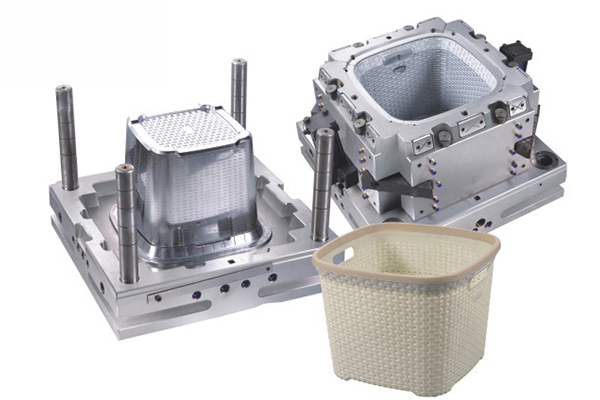
Plastic Injection Mold:
This type of mold is used to produce plastic products such as electronic components, toys, household items, and more. Plastic injection molds are typically manufactured from high-hardness steel or steel alloys with excellent heat resistance, ensuring both precision and durability of the mold.
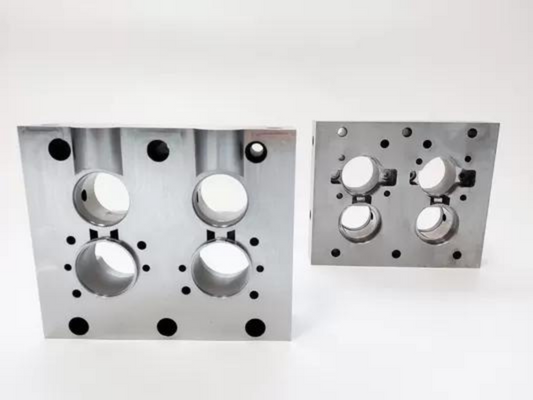
Die Casting Mold:
Die casting molds are used to manufacture metal products such as copper, aluminum, iron, and more. These molds are designed with high precision and excellent heat resistance to ensure that the cast products achieve superior strength and consistent quality.
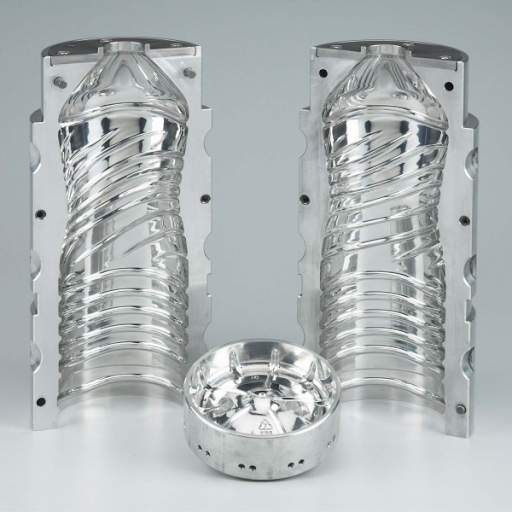
Blow Mold:
Blow molds are used to produce plastic products in a wide variety of shapes such as bottles, containers, jars, and more. These molds are typically made from high-hardness steel or steel alloys with excellent heat resistance to ensure that the blow-molded products achieve high precision and durability.
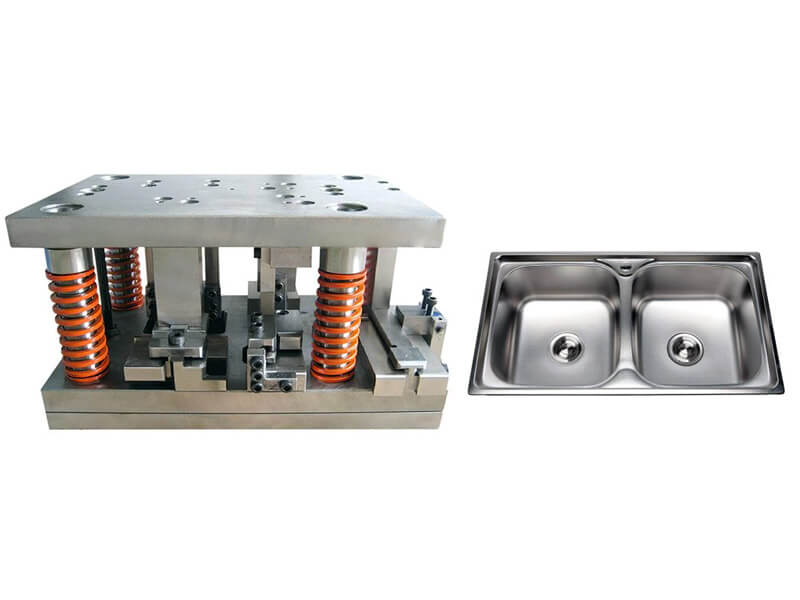
Stamping Mold:
Stamping molds are used to produce mechanical components such as metal sheets, tubes, and similar parts. These molds are typically made from high-hardness, high-strength steel or steel alloys to ensure that the stamped products achieve high precision and excellent surface finish.
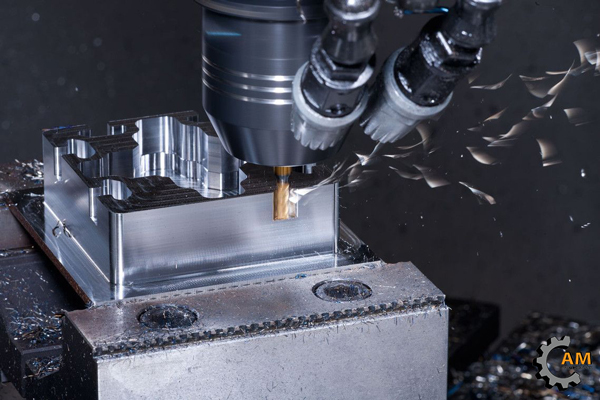
CNC Machining Mold:
CNC machining molds are used to manufacture complex and diverse products such as machine parts, electronic components, and more. These molds are typically made from high-grade materials such as alloy steel, aluminum, and others to ensure high precision and durability.
Benefits of Mold Manufacturing
Mold-based manufacturing plays a crucial role in ensuring that both customers and manufacturers have a clear understanding of the product specifications. It enables absolute precision, ensuring that the final product meets the required standards and design expectations.
Using molds also helps save production time, streamline workflows, and improve overall efficiency in the manufacturing process.
The process of mold manufacturing is highly significant as it provides both customers and manufacturers with detailed insights into the product. In case of errors, molds make it easier to implement corrections, thereby ensuring maximum customer benefits.

